7 Surprising Herbal Tea Trends Taking Over India in 2026
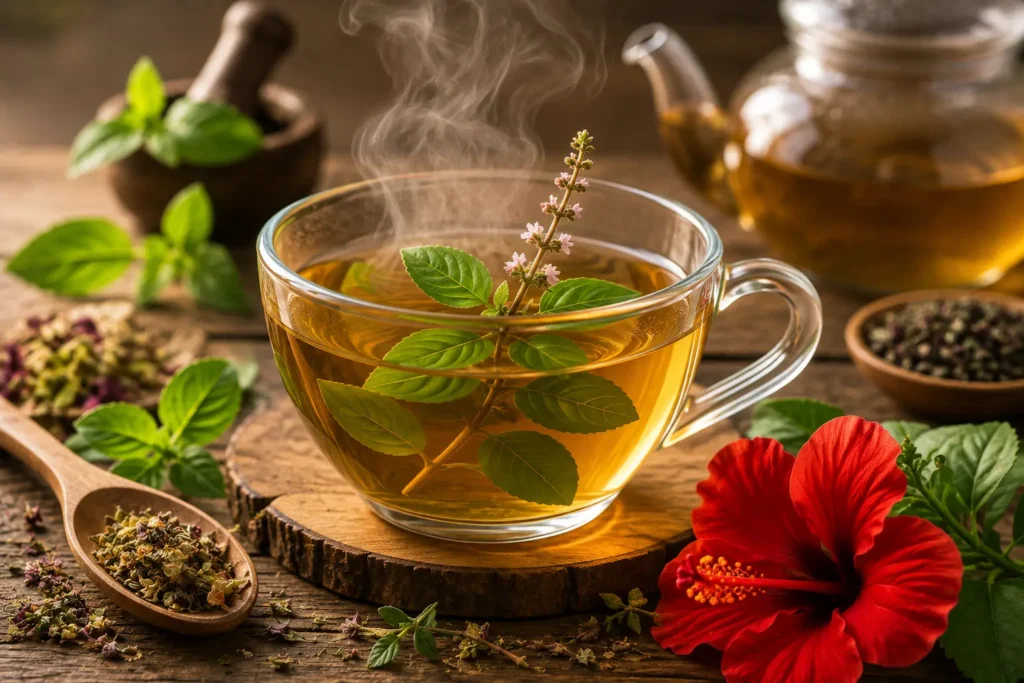
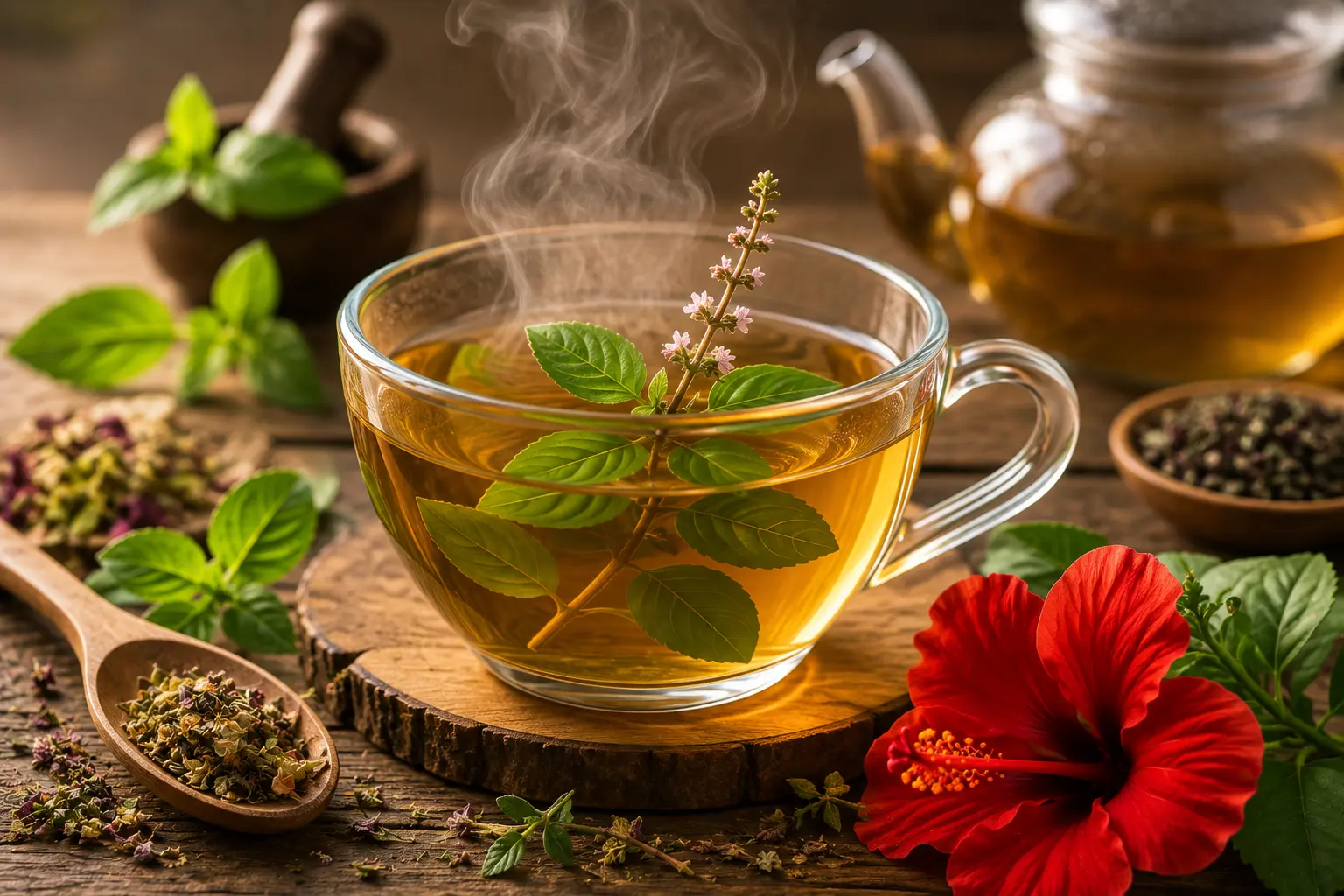
Walk into any office pantry, kitchen, or café today, and you’ll notice something. The regular cutting chai isn’t the only star anymore.Herbal tea trends are quietly rewriting how India drinks its favourite beverage. Tulsi, chamomile, hibiscus, and turmeric blends are showing up next to the classic Assam and Darjeeling leaves — and people can’t get enough.So what’s actually driving this shift? And is it just a passing wellness fad, or something that’s here to stay?
Let’s break it down.
Why Herbal Tea Trends Are Taking Off in India
India has always loved its chai. That’s not changing anytime soon.
But something new is happening alongside it. More people are asking questions before they sip. Is this good for my gut? Will it help me sleep better? Does it have too much caffeine?
That curiosity is exactly what’s fuelling the herbal tea trends we’re seeing across the country in 2026. It’s less about giving up chai, and more about adding healthier, more mindful options into the daily routine.
Here are the seven shifts worth knowing about.
1. Wellness-First Tea Choices
Health-conscious drinking isn’t a niche habit anymore. It’s mainstream.
People are choosing tea the way they choose food — by checking what it does for their body. Tulsi for immunity. Chamomile for calm. Ginger for digestion.
This wellness-first mindset is one of the clearest herbal tea trends of the year, and it’s showing up in supermarkets, cafés, and even office pantries.
2. Functional Ingredients Are the New Normal
Tea brands are no longer stopping at flavour. They’re adding function.
Think teas infused with adaptogens for stress relief, probiotics for gut health, or antioxidants for skin and immunity. It’s the same “functional beverage” wave that’s reshaping coffee menus worldwide, and herbal tea is riding it well.
For many drinkers, a cup of tea now feels less like a drink and more like a small daily wellness ritual.
3. Premiumization of Everyday Tea
Here’s an interesting shift. Indians aren’t just drinking more herbal tea — they’re willing to spend more on it.
Loose, low-cost tea is slowly giving way to premium, well-packaged, ethically sourced blends. Specialty herbal and green teas are growing faster than plain black tea in many urban markets.
It’s a small but telling sign. Tea has become a lifestyle choice, not just a habit.
4. Flavoured Herbal Chai Goes Mainstream
Masala chai isn’t going anywhere. But it’s getting company.
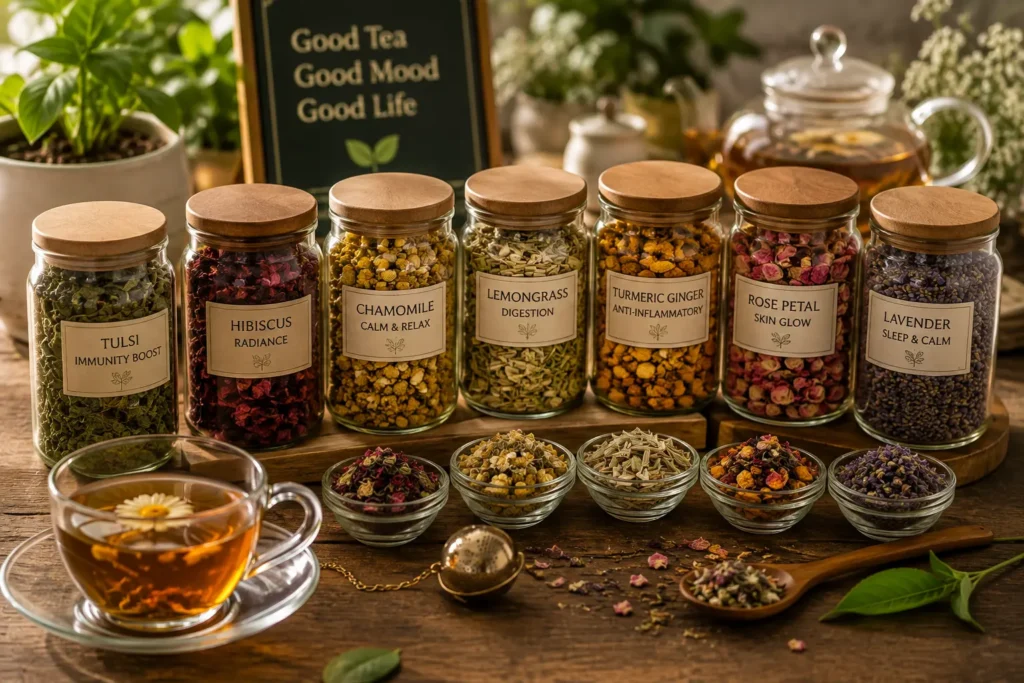
Hibiscus-infused chai, cinnamon-spiced herbal blends, and even matcha-meets-masala fusions are becoming genuinely popular — not just café experiments. This blending of tradition with new flavours is one of the more fun herbal tea trends to watch this year.
It shows India’s tea culture isn’t stuck in the past. It’s evolving while staying rooted in what people already love.
5. Herbal Tea Enters the Workplace
This is where things get interesting for offices and businesses.
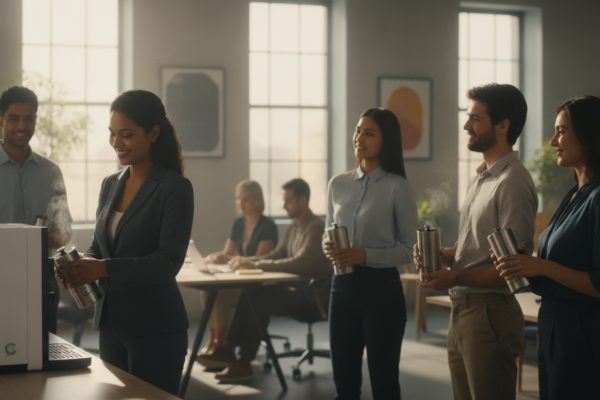
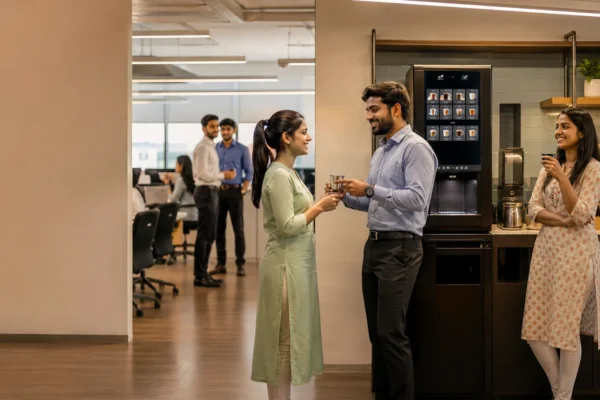
As employees become more health-aware, workplace beverage choices are changing too. HR teams and office admins are increasingly stocking pantries with herbal and wellness tea options, not just regular tea and instant coffee.
It makes sense. A well-stocked pantry that includes calming, caffeine-free choices alongside classic chai and coffee is a small perk that employees genuinely notice and appreciate.
For businesses that get their tea and coffee through a delivery or vending partner, this trend is worth watching closely. As demand for herbal and wellness options grows, providers like Hotcups, who already run daily tea and coffee vending and delivery setups for offices in Madurai, are well placed to bring that variety in without adding extra work for the pantry team.
6. Sustainable and Ethical Sourcing Matters More
More tea drinkers today want to know where their cup comes from.
Ethical sourcing, fair-trade certification, and sustainable farming practices are becoming real purchase drivers, not just marketing buzzwords. This is part of a larger, global shift — but Indian consumers are catching up fast.
If a brand can show where its herbs and leaves come from, it earns trust a lot quicker.
7. Instant Herbal Premixes Are Rising
Convenience still wins, even in a wellness-driven world.
Instant herbal tea premixes are growing steadily, especially among busy professionals who want a healthy cup without the prep time. Modern premixes have also improved a lot in quality, so the “instant equals inferior” idea is fading fast.
For offices already running on a vending machine setup, this kind of convenience pairs naturally with adding new flavours over time, without changing how the whole system works.
What This Means for Your Tea Cup
Herbal tea trends in 2026 aren’t about replacing chai. They’re about giving people more thoughtful choices — for their health, their taste buds, and their daily routine.Whether you’re sipping tulsi tea at home or reaching for a wellness blend during a busy workday, one thing is clear: Indian tea culture is expanding, not shrinking.
And if you’re managing an office pantry and thinking about where your tea and coffee actually come from, it might be worth looking at how a vending or delivery partner can help you keep up with what your team wants to drink — today and as tastes keep changing.